
Podcast guest
Sienna Daniel explains what frontline workers need to get to work and stay there.
Sienna talks with hosts about the unfulfilled needs that lead to call-outs, how employees come to trust support and what employers gain when they offer it.
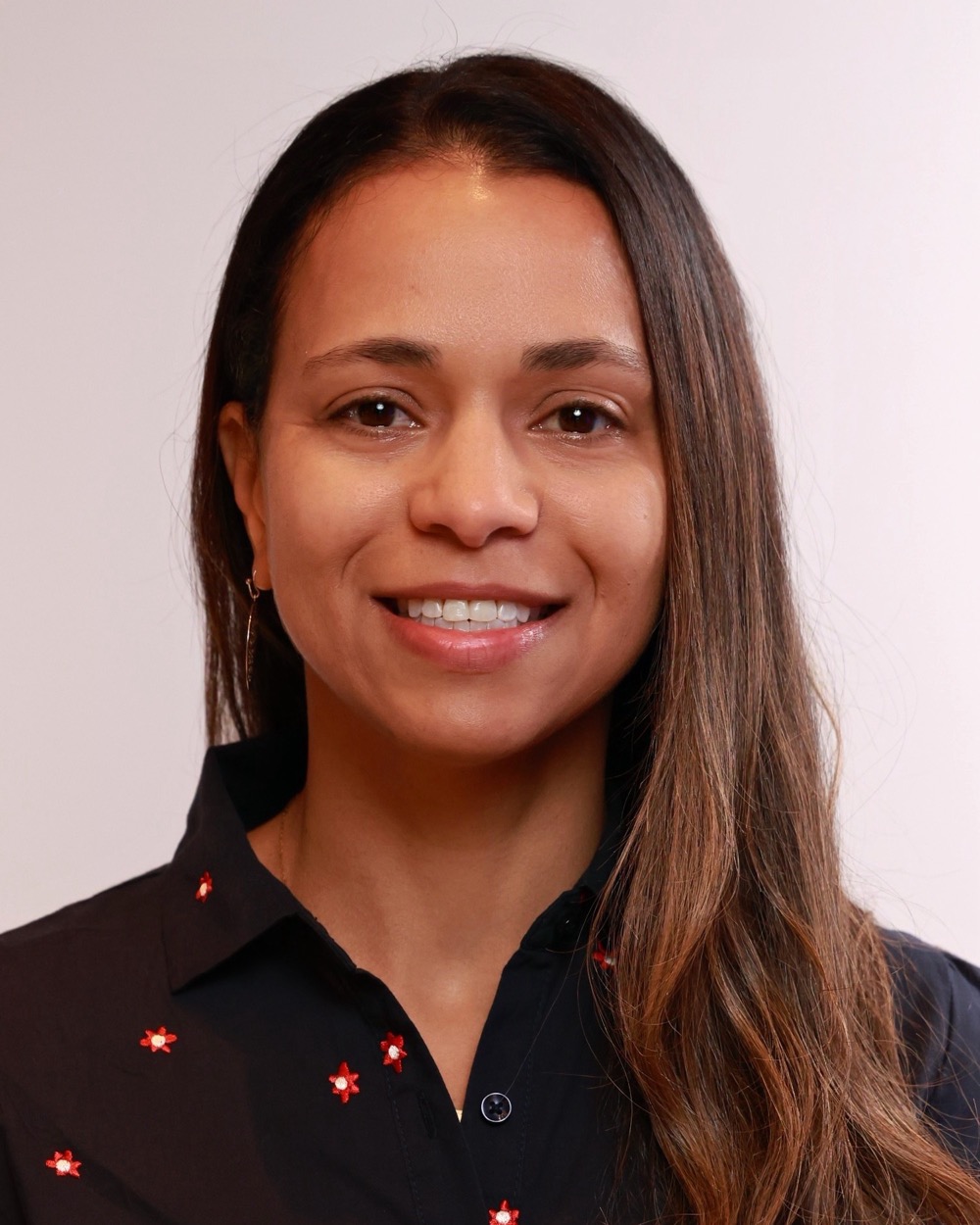
Sienna at a glance
Now
Cofounder and president, Escalate, where she leads partnerships
Before
Helped build Generation in the United States from a standing start to a team of 180 people
Started this part of her career as
A teacher in a low-income community
What drives Sienna
Sienna wants every hourly worker to have someone to call when life gets in the way of a shift, the way her father and grandmother are there for her own family.
As seen on

As heard on

Watch and listen
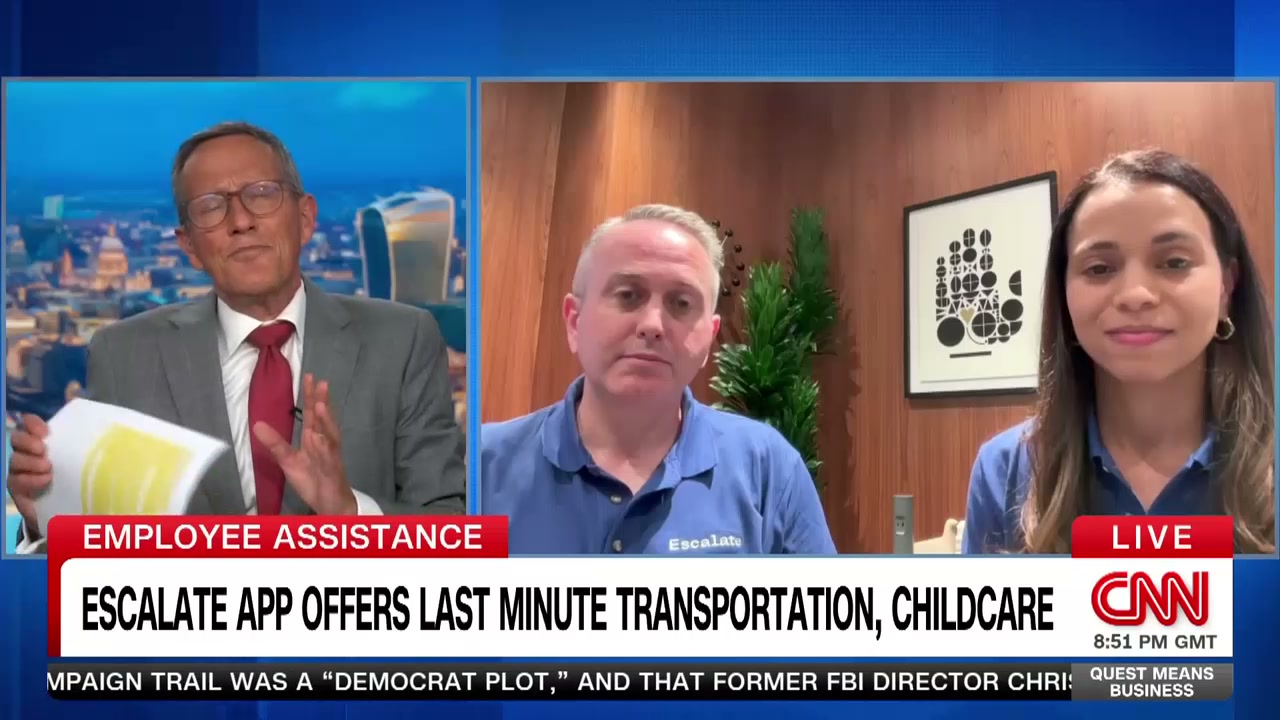
Watch Sienna on CNN and at JFF Horizons, and hear the NPR story about Escalate
Listen
All Things Considered, NPR, August 17, 2026. Four minutes and 58 seconds.
Pressing play loads a player from npr.org, which sets its own cookies. Nothing is requested from NPR until you press it.
Escalate’s pilot results give hosts real numbers to discuss
About Escalate
Escalate helps hourly workers through the moments that stop them getting to a shift
Many call-outs among hourly workers start with something outside the job: a bus that runs late, a flat tire, a relative who usually watches the children and cannot come today. Escalate helps workers through those moments in the short window before a shift, through a simple chat with a real person who answers around the clock. Workers get to their shift, and employers keep the people they hired.
Topics
Sienna talks about five things that keep frontline workers at work
Workers ask for the same few things, so employers can plan for them.
In the McDonald’s pilot, transportation came first and hunger came second. Workers who needed childcare mostly wanted family, friends and neighbors to watch their children, and Escalate helps them make that work.
Workers come forward once they see the help is real.
Usage grew once workers saw that a request got an answer with no catch, once coaching was offered in Spanish, and after a Maryland snowstorm shut down public transportation. Sienna explains what built that trust.
Every worker deserves someone to call on a hard morning.
Sienna’s father, who is 73, and her grandmother, who is 94, still drive relatives to work and help with housing and food. She talks about giving that same safety net to workers who have no one to call.
Clear limits and a case manager let employers offer help with confidence.
Sienna explains how Escalate caps short-term help and connects a worker with a case manager when a problem needs a longer-term fix.
Workforce development goes further when stability comes with it.
Development helps people move up. Stability keeps them in the job long enough to get there.
Invite Sienna to talk about what frontline workers need.
Tell us the name of your show, the topic you have in mind and your preferred dates.